
Exploring the psychological effects of gambling Understanding the mind's risk-taking tendencies
- Posted on
- acmdemogroup
Exploring the psychological effects of gambling Understanding the mind's risk-taking tendencies
The Allure of Risk: Understanding Gambling Psychology
The psychological allure of gambling often stems from the thrill of risk-taking. Individuals are naturally drawn to activities that involve uncertainty and potential reward, which is precisely what gambling offers. This excitement is primarily due to the brain’s reward system, where the anticipation of winning triggers dopamine release, fostering feelings of pleasure. For many, this creates a cycle that reinforces the desire to gamble, blurring the lines between entertainment and compulsion. If you’re looking for the best options in this field, consider exploring welcome bonus betting sites that cater to your preferences and enhance your experience.

The experience of risk-taking can be exhilarating. People are often motivated by the chance to gain not just financial rewards, but also social recognition and status. For instance, winning at a poker table or a sports betting event can lead to a sense of achievement that transcends mere monetary value. This social aspect can further exacerbate gambling behavior, as individuals may seek to share their victories, leading to a reinforcement of their gambling habits within social circles.
However, the risk of losing is equally significant. The cognitive biases that individuals exhibit—like the illusion of control—can lead them to believe that they can influence outcomes that are fundamentally random. This misguided confidence encourages continued play despite losses, contributing to a problematic relationship with gambling. Understanding these psychological mechanisms is crucial for identifying when gambling shifts from a form of entertainment to a potential addiction.
The Emotional Rollercoaster of Winning and Losing
Gambling is synonymous with an emotional rollercoaster characterized by euphoric highs and devastating lows. When players win, they experience a rush of excitement that can be intoxicating, often leading to an urge to gamble more. This emotional high can serve as a temporary escape from everyday stresses, creating a compelling reason to return to gambling even after significant losses. The relationship between winning and mood can become so intertwined that it affects an individual’s overall mental health.
Conversely, losses can evoke feelings of disappointment, anger, and guilt, which may prompt gamblers to chase their losses. This tendency can spiral out of control, creating a cycle where individuals gamble more to recover lost funds, often leading to even greater financial distress. The emotional investment in gambling can lead to significant ramifications, not only affecting the gambler’s mental well-being but also impacting relationships and responsibilities outside of gambling.
The emotional highs and lows associated with gambling illustrate the complex interplay between psychology and behavior. Awareness of these emotional responses can serve as a valuable tool for those engaged in gambling, helping them recognize when their gambling behavior may be taking a toll on their emotional health. Understanding this psychological framework can also foster healthier gambling habits, promoting moderation and awareness of triggers that lead to excessive play.
Cognitive Biases: The Mental Traps of Gamblers
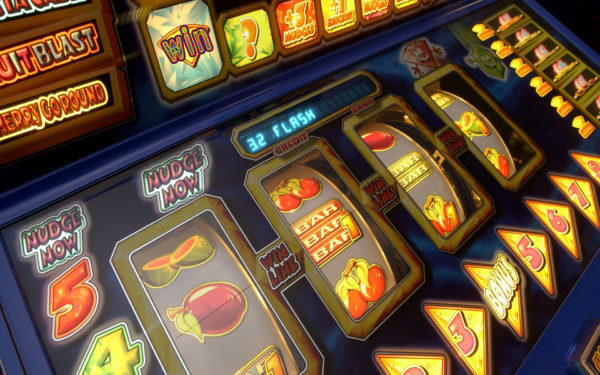
Cognitive biases significantly shape a gambler’s experience, often leading them to make irrational decisions based on flawed reasoning. One prevalent bias is the gambler’s fallacy, where individuals believe that past outcomes can influence future results, despite the random nature of games like roulette or slot machines. This misconception can encourage continued gambling, as players incorrectly assess their odds of winning based on previous losses or wins.
Another common bias is selective memory, where gamblers focus on their wins while downplaying or forgetting their losses. This creates a distorted perception of their gambling success and can further entrench them in unhealthy gambling behaviors. For instance, a player may recall their last big win at the slots but conveniently forget the many times they have lost, reinforcing the false belief that they are “due” for a win.
Understanding these cognitive biases is vital for both gamblers and those seeking to help them. By recognizing how these mental traps influence decision-making, individuals can better manage their gambling habits. Educational efforts aimed at highlighting the nature of randomness and luck can empower gamblers to approach gambling with a more realistic mindset, reducing the allure of deceptive thought patterns that lead to excessive risk-taking.
The Role of Environment in Gambling Behavior
The environment plays a pivotal role in shaping gambling behaviors and experiences. Factors such as location, social context, and accessibility can influence how and why individuals gamble. For instance, casinos are designed to create an atmosphere that encourages prolonged play, with strategic lighting, sounds, and even the layout of machines crafted to optimize engagement. These environments can significantly heighten the psychological urge to gamble, often blurring the line between casual play and compulsive behavior.
Social influences also play a significant role. Gambling can be a communal activity, often associated with social events like sports betting or poker nights. When surrounded by peers, individuals may feel pressured to partake or continue gambling, driven by the desire for social inclusion or validation. This social dynamic can intensify the emotional stakes of gambling and make it difficult for individuals to recognize when their behavior is becoming problematic.
Moreover, the rise of online gambling platforms has transformed the landscape of gambling behaviors. The convenience and anonymity of online betting can lead to increased gambling frequency and risk-taking. Without the physical cues of a traditional casino, players may find it easier to detach from the consequences of their actions. Understanding how different environments impact gambling can help inform strategies for promoting responsible gaming and mitigating potential harm.
Enhancing Responsible Gambling Awareness
As awareness of gambling’s psychological effects grows, so does the importance of responsible gambling initiatives. Organizations and websites focused on promoting responsible gambling provide valuable resources aimed at educating players about the risks associated with gambling. By fostering an understanding of the psychological mechanisms that drive behavior, these platforms can help individuals make informed decisions regarding their gambling activities.
Tools such as self-assessment quizzes, budgeting guides, and access to support networks are essential components of responsible gambling awareness. These resources empower gamblers to evaluate their habits, set limits, and seek help when necessary. Additionally, educational campaigns can destigmatize the conversation surrounding gambling addiction, encouraging individuals to seek assistance without fear of judgment.
In summary, promoting responsible gambling not only benefits individuals but also protects communities from the wider societal impacts of gambling-related problems. By providing comprehensive information and support, responsible gambling initiatives can help create a safer, healthier gambling environment. Ultimately, enhancing awareness around the psychological effects of gambling can foster more mindful behaviors and reduce the risk of developing problematic gambling tendencies.